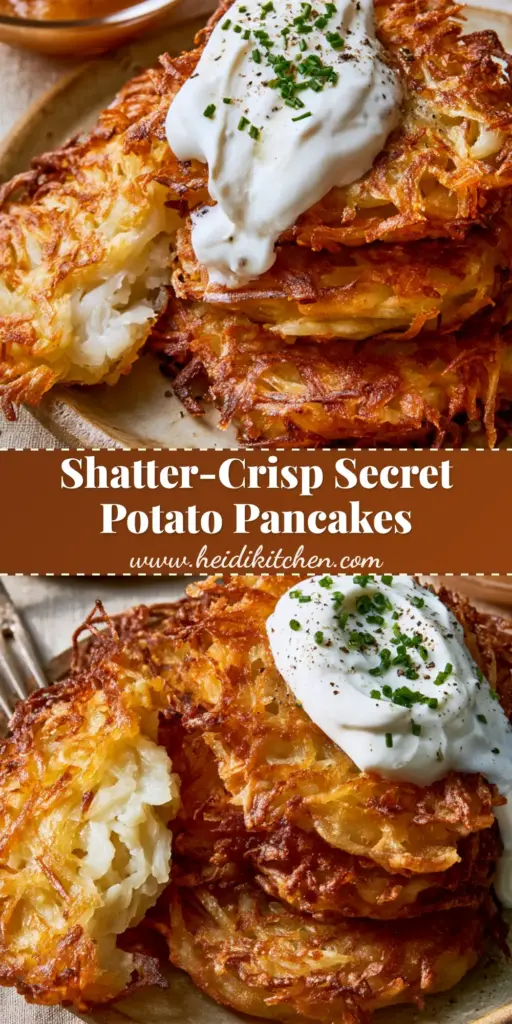
Potato pancakes are the ultimate comfort food, offering a symphony of textures that range from a shatteringly crisp exterior to a steaming, snowy-white interior. If you have been searching for the perfect recipe that delivers those iconic jagged, lacy edges and a deep amber-gold caramelization, you have arrived at the right place. These aren’t just any fried potatoes; they are a masterclass in culinary contrast.
Whether you call them latkes, kartoffelpuffer, or simply potato pancakes, the goal remains the same: achieving that high-definition crunch without losing the fluffy, tender heart of the potato. By using specific techniques to remove moisture and choosing the right starch-heavy spud, you can recreate the rustic, handheld perfection seen in high-end gastropubs right in your own kitchen.
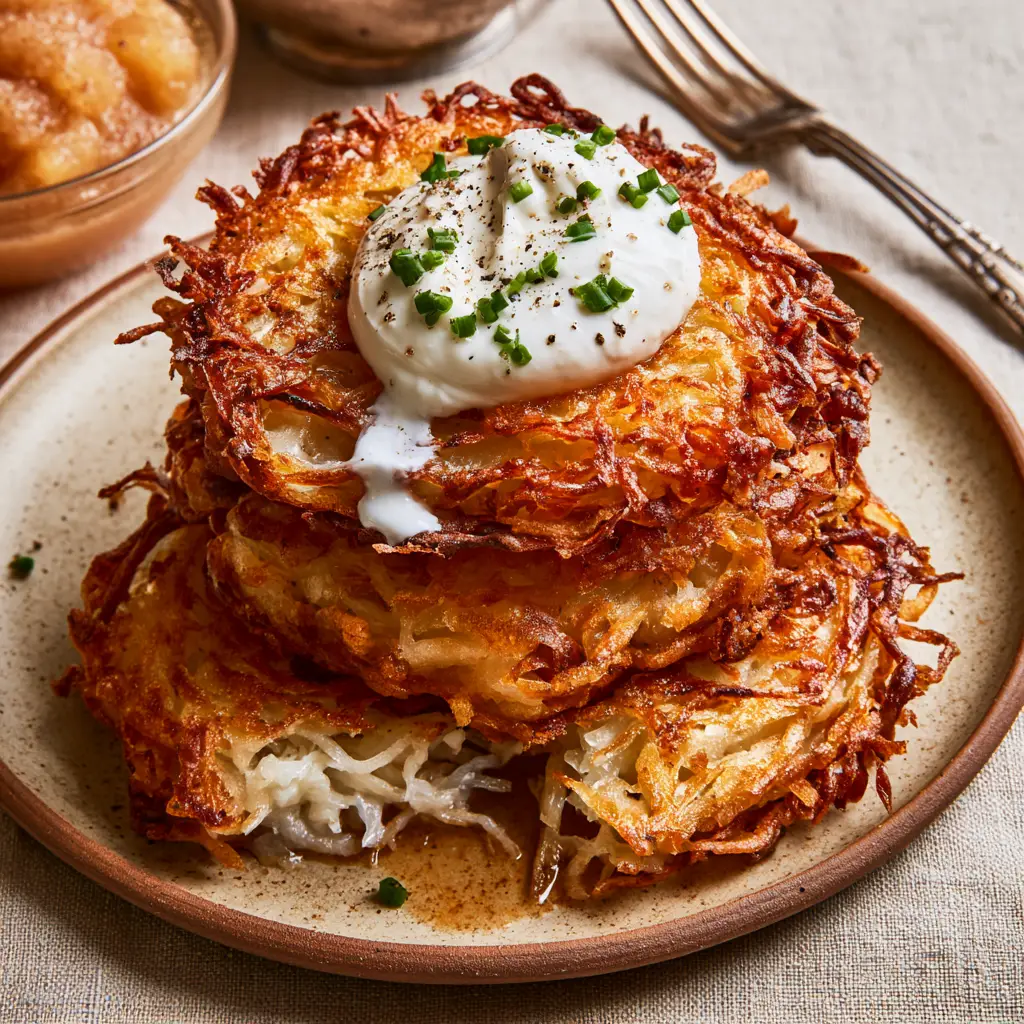
Why These Are the Best Potato Pancakes You Will Ever Make
- Extreme Texture Contrast: We focus on finely shredded russets to create exceptionally jagged, lacy, and translucent edges that crackle with every bite.
- Fluffy Snowy Interior: Unlike dense or gummy versions, our method ensures the inside remains light, airy, and steaming hot.
- Golden-Brown Perfection: Achieve that deep amber caramelization that looks as good as it tastes.
- Pinterest-Ready Presentation: Topped with thick sour cream, fresh chives, and cracked black pepper, this dish is a visual masterpiece.
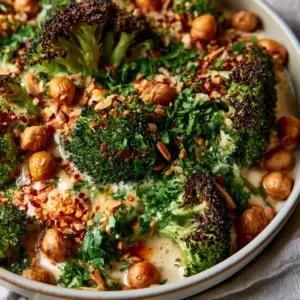
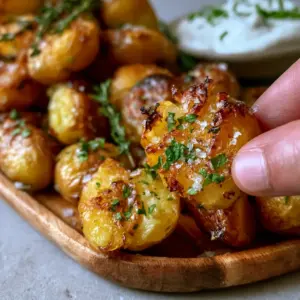
If you love versatile potato dishes, you might also want to explore our Korean cheese potato pancakes for a fusion twist or try these buttery Irish potato bites for your next gathering.
The Essential Ingredients for Crispy Potato Pancakes
Creating the perfect potato pancakes requires a balance of starch, moisture control, and seasoning. Here is what you will need to gather for your mise en place.
2 lbs (900g) Russet Potatoes: High starch content is non-negotiable for the “snowy white” interior and the ability to crisp up without becoming mushy.
1 Large Yellow Onion: Grating the onion directly into the potatoes adds essential moisture for the batter and deep savory notes that caramelize during frying.
2 Large Eggs: These act as the primary binder, ensuring your jagged shreds stay together in the hot oil.
1/4 cup (30g) All-Purpose Flour: Just enough to absorb residual moisture and provide a structural framework for the pancakes.
1.5 tsp (9g) Fine Sea Salt: Essential for drawing out water during the prep phase and seasoning the potato all the way through.
1/2 tsp (1g) Cracked Black Pepper: Provides a sharp, floral heat that cuts through the richness of the fried oil.
Neutral Oil for Frying: Use grapeseed, canola, or vegetable oil. You need a high smoke point to achieve those deep amber-gold lacy fringes.
How to Achieve the Perfect Potato Pancake Texture
Step 1: The Precision Shred
Begin by peeling your russet potatoes. Using the fine side of a box grater or the fine shredding disc of a food processor, grate the potatoes and the onion. You want fine, long shreds rather than a puree. This creates the surface area necessary for those jagged fried edges.
If you enjoy working with shredded vegetables, you should definitely check out our recipe for crispy zucchini fritters or this vibrant aloo palak for more potato inspiration.
Step 2: The Critical Squeeze
This is the most important step for potato pancakes success. Place the shredded potato and onion mixture into a clean kitchen towel or several layers of cheesecloth. Twist and squeeze with all your might. You want to extract every possible drop of liquid. Dry potatoes equal crispy edges; wet potatoes equal soggy hash.
Step 3: Building the Batter
In a large mixing bowl, whisk the eggs, flour, salt, and pepper. Incorporate the dried potato and onion shreds immediately. Do not let the potatoes sit for too long, or they will begin to oxidize and turn grey. The batter should look like a mass of distinct, individual shreds coated in a light, sticky binder.
Step 4: The Art of Frying
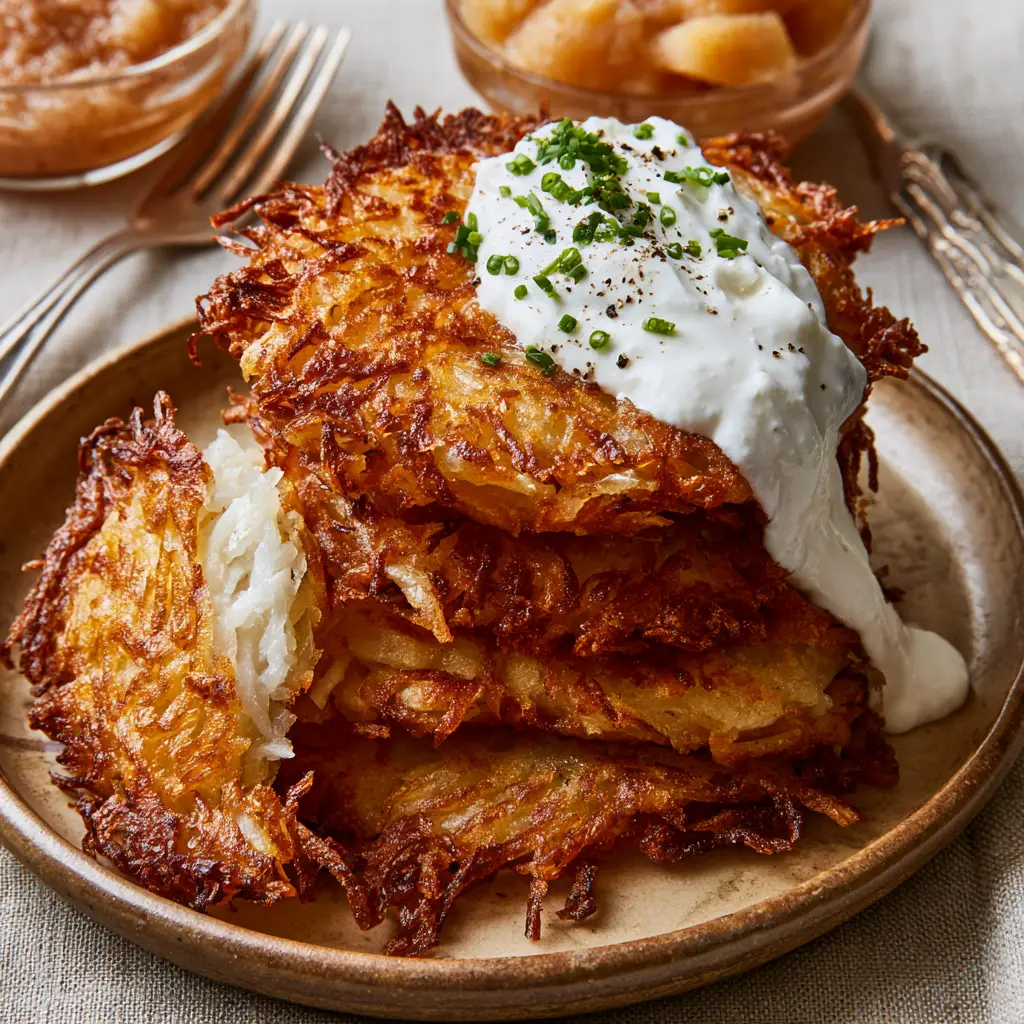
Heat about 1/4 inch (6mm) of oil in a heavy-bottomed skillet over medium-high heat. You will know the oil is ready when a single shred of potato sizzles violently upon contact. Carefully drop large spoonfuls of the mixture into the oil. Do not press them down flat! Gently nudge the edges with a fork to create that signature lacy, translucent fringe.
Fry for 3-4 minutes per side until the edges are deep amber-gold and the center is cooked through. You are looking for a steaming, snowy-white fluffy interior when you break one open.
Expert Tips for Success
- Don’t Crowd the Pan: Frying too many potato pancakes at once drops the oil temperature, leading to greasy, limp results.
- Maintain Oil Depth: Keep enough oil in the pan so the edges are “shallow poached” in fat; this creates the translucent, crispy fringe.
- Drain on a Wire Rack: Instead of paper towels, use a wire cooling rack. This allows air to circulate, preventing the bottoms from steaming and softening.
- Freshness Matters: Grate your potatoes right before you plan to fry them to maintain that bright, white interior color.
Storage, Reheating, and Freezing
While potato pancakes are best served immediately, you can store leftovers in an airtight container in the refrigerator for up to 3 days. To maintain the crunch, never use a microwave for reheating. Instead, place them on a baking sheet in a 375°F (190°C) oven for 8-10 minutes.
To freeze, flash-freeze the cooked pancakes on a tray before transferring them to a freezer bag. They will keep for up to 2 months. Reheat directly from frozen in a hot oven or air fryer.
What to Serve With Potato Pancakes
To match our visual blueprint, serve a stack of three pancakes on a rustic ceramic plate. Top with a thick sour cream dollop that slowly melts down the sides. Garnish generously with chopped fresh chives and a final crack of black pepper.
On the side, a glass bowl of chunky cinnamon applesauce provides the perfect sweet and tart contrast to the salty, savory potatoes. For a full spread, consider pairing these with a baked vegetable casserole or even a light fruit salad.
Frequently Asked Questions
It is not recommended. Raw shredded potatoes oxidize and turn grey very quickly once exposed to air. For the best snowy-white interior, fry the batter immediately after mixing.
Do not press the pancakes flat with a spatula. Drop the batter into the hot oil and gently nudge the loose shreds outward with a fork to create a thin, translucent fringe.
Avoid the microwave! Reheat them in a 375°F (190°C) oven or an air fryer for a few minutes until the oil sizzles again and the edges regain their crunch.
Russet potatoes are the best choice. Their high starch content creates a fluffy interior and allows the exterior shreds to crisp up perfectly without becoming gummy.
Sogginess is usually caused by excess moisture. You must squeeze the shredded potatoes in a kitchen towel with significant force to remove all water before mixing the batter.
The Ultimate Crispy Potato Pancakes Recipe
Potato Pancakes: The Secret to Ultra-Crispy Jagged Edges
Ingredients
Equipment
Method
- Grate the peeled russet potatoes and onion using the fine side of a box grater into a large bowl.
- Transfer the mixture to a clean kitchen towel and squeeze forcefully to remove all excess liquid.
- In a separate bowl, whisk eggs, flour, salt, and pepper. Stir in the dried potato and onion shreds until coated.
- Heat oil in a skillet. Drop spoonfuls of batter into the pan, leaving the edges jagged. Fry until amber-gold, about 4 minutes per side.
- Serve hot with a dollop of sour cream, chives, and a side of chunky applesauce.
Notes
Ensure the oil is hot enough before dropping the batter to prevent oil absorption.
Join the Pantry Dream Community!
Did you manage to achieve those ultra-crispy, jagged edges? We want to see your results! Save this potato pancakes recipe to your favorite Pinterest board so you never lose it. Follow @pantry_dream for more kitchen inspiration.
Leave a 5-star rating in the comments below and upload a photo of your stack. Seeing your snowy-white interiors and golden-brown fringes makes our day!