There is a reason why the Chilean sea bass recipe is considered the “holy grail” of seafood by gourmet chefs and home cooks alike. This prized white fish, known for its incredible fat content and large, tender flakes, transforms into a restaurant-quality masterpiece with just a few precise techniques. When you master the art of the pan-sear, you unlock a world of buttery textures and rich flavors that few other proteins can match.
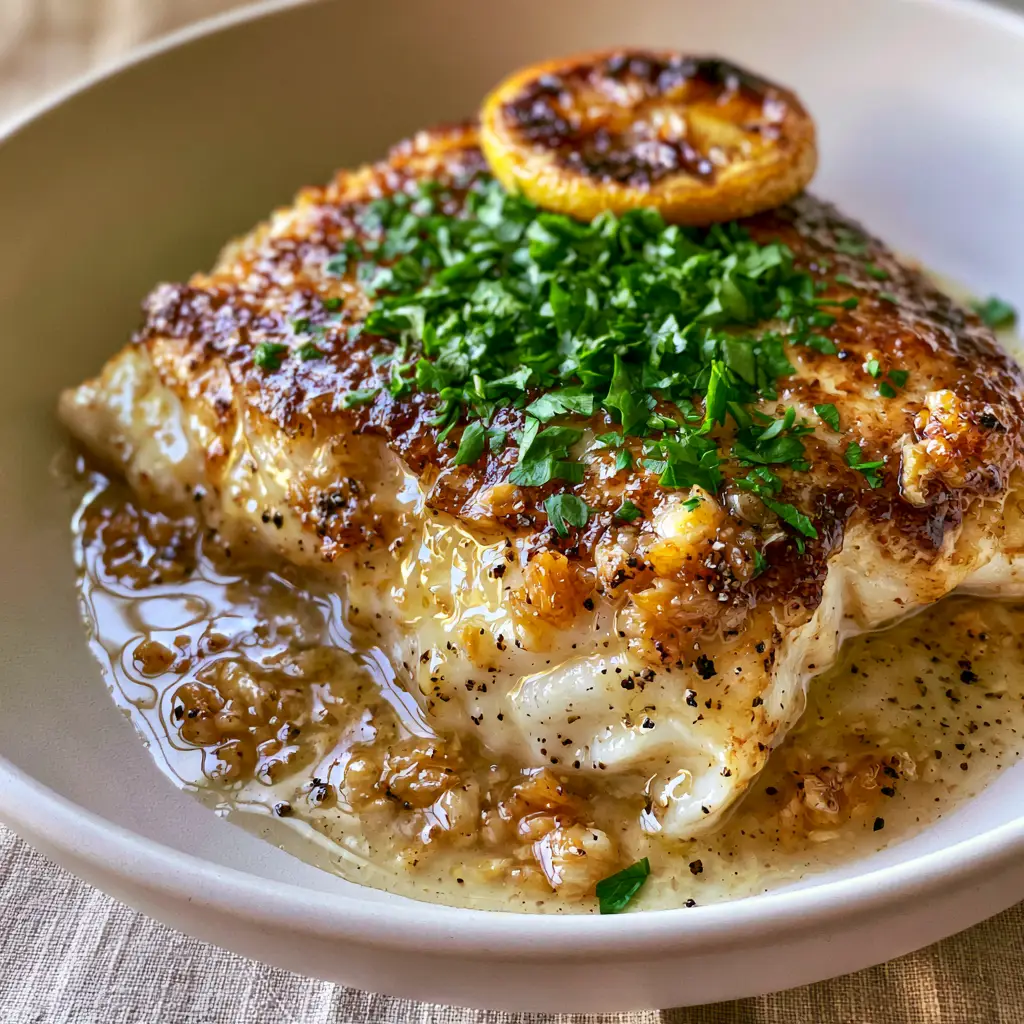
Imagine a thick, succulent fillet that boasts a heavy, golden-brown caramelized seared crust that shatters slightly when your fork hits it. Beneath that savory exterior, the white fish flakes are moist and translucent, glistening under a thick lemon garlic butter sauce. This isn’t just a meal; it is a sensory experience defined by the aromatic scent of sautéed garlic and the bright pop of fresh parsley.
To achieve the visual perfection seen in professional food photography, every step must be intentional. From the high-heat Maillard reaction on the surface to the gentle basting of the meat in citrus-infused fats, this guide will walk you through the forensic details of the perfect Chilean sea bass recipe. Get ready to elevate your dinner game to a level of luxury usually reserved for five-star coastal bistros.
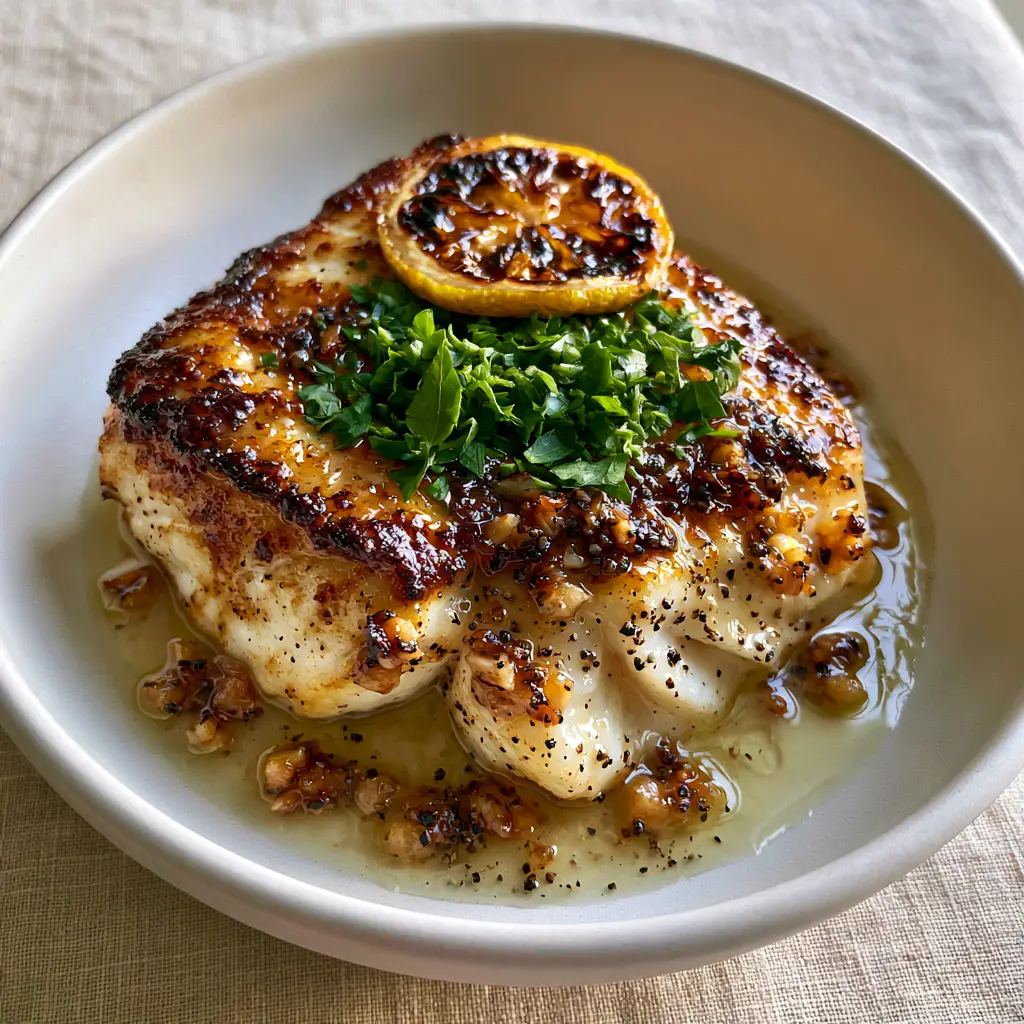
The Secret to That Signature Buttery Flake
- Caramelized Maillard Crust: Achieve a deep golden-brown exterior that provides a satisfying structural contrast to the tender interior.
- Velvety Emulsion Sauce: A thick, translucent lemon garlic butter sauce that clings to the fish rather than running off the plate.
- Aromatic Depth: Visible bits of sautéed minced garlic and coarse cracked black pepper provide rustic visual appeal and intense flavor.
- Zesty Brightness: A hand-charred lemon wheel adds a smoky acidity that cuts through the richness of the Patagonian toothfish.
- Fresh Garnish: A generous sprinkle of finely chopped bright green flat-leaf parsley ensures a vibrant, photo-ready finish.
The Anatomy of Premium Seafood Ingredients
Chilean Sea Bass Fillets (approx. 6 oz (170g) each): Look for thick-cut fillets with a snowy white color and firm texture, as these hold up best during the high-heat searing process. This fish is naturally oily, which allows it to stay incredibly moist even under intense heat.
Avocado Oil or Grapeseed Oil (2 tbsp (30ml)): You need a high-smoke point oil to achieve that heavy golden-brown crust without the oil breaking down or tasting burnt. Avoid extra virgin olive oil for the initial sear as its smoke point is too low for this Chilean sea bass recipe.
Unsalted Butter (3 tbsp (45g)): Butter is the vehicle for flavor and the base of your translucent sauce. By using unsalted butter, you maintain total control over the sodium levels of the final dish.
Fresh Garlic (4 cloves, minced): Sautéed garlic provides the aromatic backbone of the sauce. Adding it toward the end of the cooking process ensures it becomes sweet and golden rather than bitter and charred.
Lemon Juice and Zest (1 large lemon): Fresh citrus provides the necessary acidity to balance the high fat content of the fish. You will use half for the juice and the other half for your charred decorative wheel.
Flat-Leaf Parsley (2 tbsp (5g), finely chopped): This adds a hit of “green” freshness that lifts the heavy butter sauce. Always use fresh parsley rather than dried for the best visual and flavor results.
Sea Salt and Cracked Black Pepper (to taste): Coarsely cracked pepper is essential for the visual “speckled” look described in our recipe blueprint. It provides a sharp bite that complements the rich garlic butter.
Essential Tools for a Professional Sear
To execute this Chilean sea bass recipe perfectly, you need a heavy-bottomed skillet, preferably stainless steel or well-seasoned cast iron. These materials retain heat efficiently, ensuring a consistent sear across the entire surface of the fillet. A flexible metal fish spatula is also vital for getting under the delicate crust without tearing the flesh.
You will also need a small zester and a sharp chef’s knife for the parsley and garlic. Achieving the “finely chopped” look in the blueprint requires a steady hand and a sharp blade to avoid bruising the herbs. Finally, a spoon for basting is non-negotiable for creating that glistening, sauce-dripped finish.
Step-by-Step Evolution of the Perfect Fillet
Prepping for the Maillard Reaction
Remove your sea bass fillets from the refrigerator 15 minutes before cooking to take the chill off. Use a paper towel to pat the fish extremely dry on all sides; any moisture on the surface will create steam, preventing the formation of that golden-brown caramelized crust. Season generously with sea salt and the coarse cracked black pepper on both sides.
Achieving the Golden-Brown Crust
Heat your high-smoke point oil in the skillet over medium-high heat until it begins to shimmer and a tiny wisp of smoke appears. Carefully lay the fillets away from you into the pan. Press down lightly with your spatula for the first 30 seconds to ensure even contact. Sear undisturbed for 4-5 minutes until the bottom edge shows a deep, golden-brown hue.
The Art of the Butter Baste
Flip the fish carefully. Reduce the heat to medium and add the butter, minced garlic, and the lemon wheel to the pan. As the butter melts and begins to foam, it will pick up the garlic essence and the browned bits from the pan. Tilt the skillet slightly and use a large spoon to continuously pour the hot garlic butter over the fish for the final 2-3 minutes of cooking.
Charring the Citrus and Finishing
While basting, ensure the lemon wheel makes direct contact with the pan until it is slightly charred and caramelized. The fish is done when the internal temperature reaches 135°F (57°C) and the flakes are moist and tender. Remove from heat and allow the fish to rest for two minutes in the pan drippings to soak up the translucent sauce.
Pro-Level Tips for Flawless Results
- Dryness is King: If the fish isn’t bone-dry before it hits the oil, you will never get that heavy caramelized sear.
- Don’t Overcrowd: Cook only two fillets at a time to prevent the pan temperature from dropping, which causes the fish to boil in its own juices.
- Visual Cues: Watch for the “white line” of cooked protein moving up the side of the fillet; once it reaches the halfway point, it’s time to flip.
- Sauce Consistency: If your butter sauce looks too thin, whisk in a teaspoon of cold butter at the very end to emulsify and thicken it into a translucent glaze.
Preserving Your Gourmet Leftovers
While this Chilean sea bass recipe is best enjoyed immediately, leftovers can be stored in an airtight container in the refrigerator for up to two days. To reheat, avoid the microwave as it will turn the delicate fats rubbery. Instead, place the fillet in a pan with a splash of water or broth, cover with a lid, and warm over low heat until just heated through.
Freezing cooked sea bass is not recommended as the cellular structure of the fish changes, leading to a mushy texture upon thawing. If you must freeze raw fillets, vacuum seal them to prevent freezer burn and keep them for up to three months.
Elegant Pairings and Side Dish Inspirations
Because this dish is so rich, it pairs beautifully with sides that offer texture or a clean flavor profile. Consider serving it alongside creamy asparagus pasta for a cohesive, upscale dinner. The snap of the asparagus provides a wonderful contrast to the soft fish flakes.
If you prefer a more rustic approach, a side of citrus-topped avocado toast can serve as a unique brunch-style accompaniment. For those who enjoy a bit of heat, pairing this with spicy seafood appetizers creates a dynamic multi-course ocean-themed menu. If you are looking for more seafood variety, don’t miss our guide on the perfectly grilled halibut which uses similar high-heat techniques.
Common Questions About This Chilean Sea Bass Recipe
Yes, but ensure it is completely thawed in the refrigerator and patted extremely dry. Moisture is the enemy of a good sear, especially with frozen fish.
The fish should be opaque and flake easily with a fork. Aim for an internal temperature of 135°F (57°C) for a moist and tender result.
It is an excellent source of protein and Omega-3 fatty acids, though it is higher in fat than other white fish like cod or halibut.
Black cod (Sablefish) is the best substitute due to its similar high fat content and buttery texture. Halibut is also a good firm-fleshed alternative.
It is actually Patagonian toothfish, found in deep, cold waters. Strict fishing quotas and the high demand for its unique buttery texture and high fat content drive the price up.
The Ultimate Lemon Garlic Chilean Sea Bass
Chilean sea bass recipe: The Ultimate Pan-Seared Fillet with Lemon Garlic Butter
Ingredients
Equipment
Method
- Pat the sea bass fillets extremely dry with paper towels. Season both sides generously with sea salt and coarse cracked black pepper.
- Heat oil in a skillet over medium-high heat. Once shimmering, add fish. Sear for 4-5 minutes until a heavy golden-brown caramelized crust forms.
- Flip the fillets. Add butter, minced garlic, and lemon wheels to the pan. Spoon the foaming butter over the fish repeatedly for 2-3 minutes.
- Once fish reaches 135°F (57°C), remove from heat. Garnish with chopped parsley and serve in a shallow bowl with the charred lemon wheel.
Notes
Use a high-smoke point oil like avocado oil to prevent burning.

Mastering this Chilean sea bass recipe is a rite of passage for any serious home cook. The combination of the heavy golden-brown crust and the glistening lemon garlic butter sauce creates a dish that is visually stunning and culinarily superior. It is a testament to how simple ingredients, when treated with professional technique, can result in something truly extraordinary.
If you enjoyed this deep dive into gourmet seafood, please leave a comment below and let us know how your sear turned out! Don’t forget to share your creations on Pinterest and tag us. For more kitchen inspiration, sign up for our newsletter and explore our collection of authentic Italian recipes to round out your cooking repertoire.