There is a specific kind of culinary magic that happens when the concentrated sweetness of orchard-ripe apples meets the savory, peppery crust of a perfectly seared roast. This apple butter glazed pork tenderloin is the embodiment of that magic, designed to be the crown jewel of your dinner table.
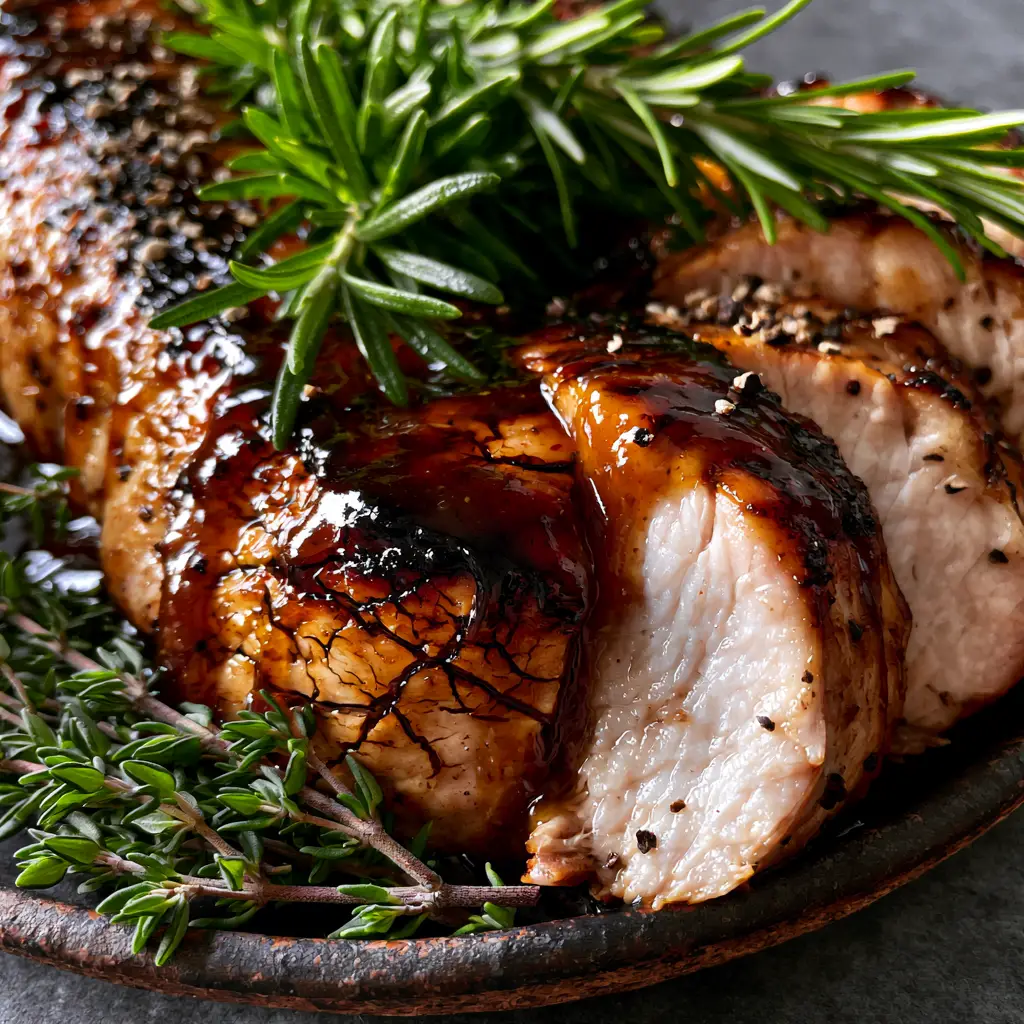
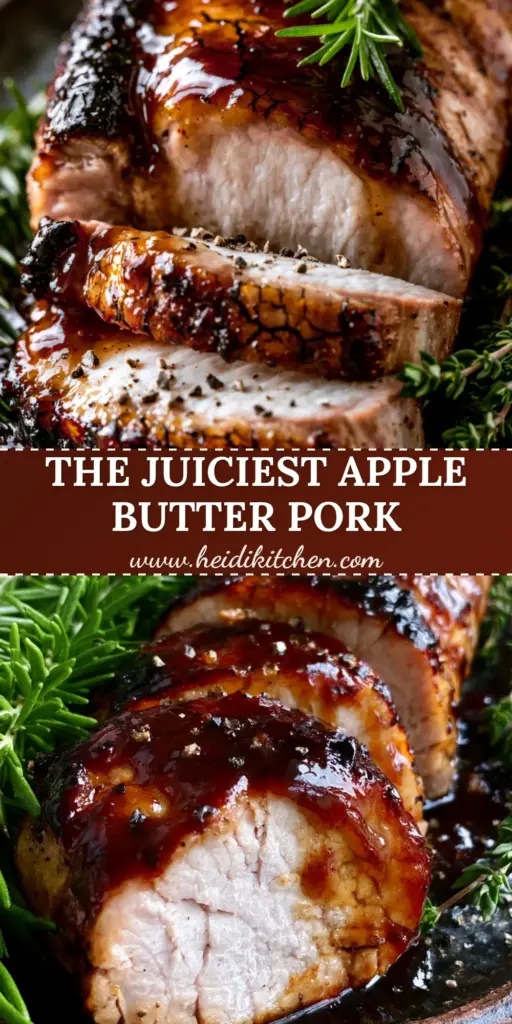
Imagine a dark, rustic ceramic platter holding succulent, moist slices of pork. Each piece is encased in a thick, shimmering, dark amber glaze that drips over the edges like molten gold. The exterior is tacky and caramelized, providing a sharp contrast to the tender, slightly pink-white interior that practically melts in your mouth.
In this guide, we aren’t just making dinner; we are engineering a sensory experience. From the crackle of the meat hitting the hot pan to the aromatic explosion of fresh rosemary and thyme, this recipe is a masterclass in balance and technique. Whether you are a seasoned pro or a curious home cook, this dish will elevate your repertoire.
The Visual Allure of the Perfect Orchard-Inspired Glaze
What sets this apple butter glazed pork tenderloin apart is the architectural approach to flavor and texture. We don’t just brush on a sauce; we build a lacquered crust that stays glistening even after it leaves the oven.
- The Lacquered Finish: A high-sugar fruit base combined with balanced acidity ensures a “tacky” texture that clings to every fiber of the meat.
- Textural Contrast: We achieve a deep, caramelized exterior crust that shows visible cracks in the glaze, a hallmark of professional roasting.
- Aromatic Depth: Using whole branches of thyme and sprigs of rosemary provides a vibrant green visual that cuts through the rich, dark amber tones of the sauce.
- Moisture Retention: By monitoring internal temperatures precisely, we ensure a juicy, glistening interior that releases natural juices onto the platter upon slicing.
Essential Components for a Shimmering Dark Amber Crust
To achieve the result seen in professional food photography, every ingredient serves a dual purpose: flavor and physics. You cannot achieve a glistening glaze without the right emulsifiers and sugars.
Pork Tenderloin: Usually sold in packs of two, weighing about 1 lb (450g) each. This lean muscle requires quick, high-heat cooking to remain tender. If you love this cut, you might also enjoy our tender pork recipe for different flavor profiles.
Apple Butter: 1 cup (240ml) of high-quality, spiced apple butter. This is the heart of the glaze, providing the pectin and sugar needed for that “shimmering” effect.
Apple Cider Vinegar: 2 tbsp (30ml) to cut through the sweetness. Acidity is the secret to a glaze that tastes complex rather than cloying.
Dijon Mustard: 1 tbsp (15g) acts as an emulsifier. It helps the glaze “grip” the meat during the searing process.
Foundational Fats: 2 tbsp (30ml) of neutral high-smoke point oil (like avocado oil) for the initial sear, plus 1 tbsp (15g) of cold butter to finish the pan sauce.
Fresh Aromatics: 4-5 sprigs of fresh rosemary and 6-8 branches of whole thyme. These aren’t just garnishes; they infuse the fat as the meat rests.
Seasoning Trio: 1 tsp (6g) flaky sea salt, 1 tsp (3g) coarsely cracked black pepper, and 1/2 tsp (1g) smoked paprika for that deep amber color. This creates the “scattered pepper” look seen in the visual blueprint.
Tools Required for Professional Searing and Roasting
To replicate the “macro handheld smartphone photo” quality, you need tools that manage heat distribution effectively. A heavy-bottomed skillet is non-negotiable for that caramelized crust.
Cast Iron Skillet: The superior heat retention creates the dark, tacky exterior crust. If you don’t have one, a heavy stainless steel pan will work, but avoid non-stick for this recipe.
Digital Meat Thermometer: The difference between “moist, pink-white interior” and “dry” is only five degrees. Accuracy is paramount.
Pastry Brush: Essential for layering the glaze. We will be applying multiple coats to build that “shimmering” thickness.
The Step-by-Step Architecture of the Perfect Sear
Success with an apple butter glazed pork tenderloin depends on the transition from stove-top searing to oven finishing. This “two-stage” cooking method is how chefs ensure the meat stays juicy while the outside gets that “cracked glaze” appearance.
1. Preparing the Meat and the Spice Rub
Pat the pork tenderloin dry with paper towels. This is the most important step for a good sear; moisture is the enemy of caramelization. Mix your salt, cracked black pepper, and smoked paprika. Rub it generously over the entire surface, pressing the spices into the meat fibers.
2. The High-Heat Initial Sear
Heat 2 tbsp (30ml) of oil in your skillet over medium-high heat until it just begins to shimmer. Place the tenderloin in the pan. Listen for a loud sizzle—this is the sound of the Maillard reaction beginning. Sear for 2-3 minutes per side until a deep golden-brown crust forms. This mimics the herb pork tenderloin technique for maximum flavor extraction.
3. Building the Apple Butter Lacquer
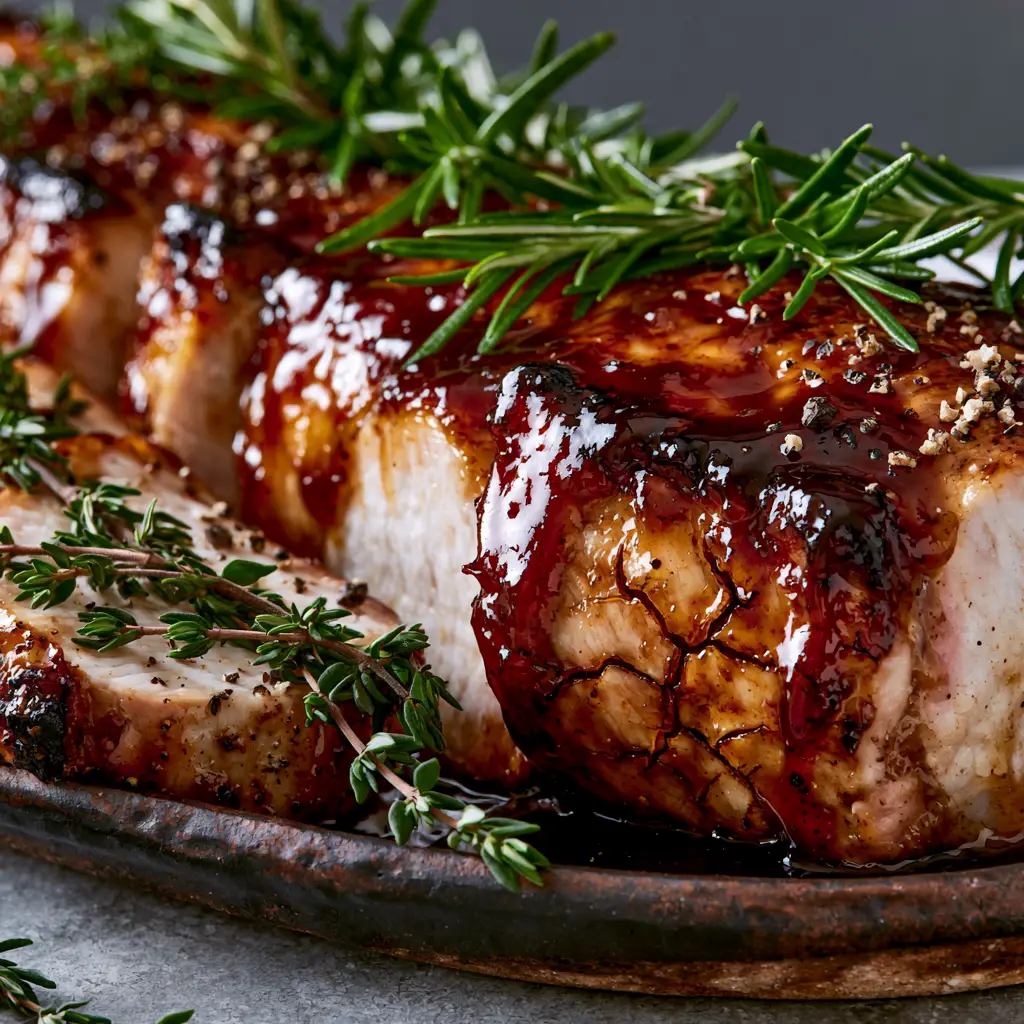
While the meat sears, whisk together the apple butter, vinegar, and Dijon. Once the pork is seared on all sides, reduce the heat to medium. Pour half of the glaze over the pork. Use your pastry brush to coat it entirely. This initial layer will bake onto the meat, creating that “tacky” base layer.
4. The Oven Finish and Basting
Transfer the skillet to a preheated oven at 400°F (200°C). Roast for 10-12 minutes. Every 4 minutes, open the oven and brush on more glaze. This layering technique is what creates the “thick, shimmering, dark amber” appearance. It’s similar to how we build flavor in our grilled pork sauce recipe.
5. The Herb Infusion and Resting
Remove the pork when the internal temperature hits 140°F (60°C). Place the fresh rosemary sprigs and thyme branches directly on top of the hot meat. Drop the tablespoon of butter into the pan juices. Tent loosely with foil and let it rest for 10 minutes. The residual heat will bring it to a perfect 145°F (63°C), and the herbs will wilt, releasing their oils into the glaze.
Expert Tips for a Shimmering, Tacky Result
- The “Cold Butter” Trick: Whisking a knob of cold butter into the pan juices at the very end creates a glossy sheen that mimics professional food styling.
- Don’t Over-Tent: When resting the meat, don’t wrap the foil too tightly. You want to retain heat without steaming the crust, which could soften the “visible cracks” in the glaze.
- Pepper Graduation: Use “cracked” pepper rather than “ground” pepper. The larger fragments provide the visual “scattered” look and a punchy flavor contrast.
- Carving Precision: Use a very sharp slicing knife. Cut into 1/2-inch (1.25cm) slices to reveal the moist fibers and liquid glaze dripping over the edges.
Flavor Pairings and Serving Suggestions
The sweet and savory profile of this apple butter glazed pork tenderloin demands sides that can stand up to its intensity. I recommend serving it alongside something creamy or slightly acidic.
Consider a side of onion-infused sides or even a refreshing vegetable dish. If you are serving this for a hearty brunch, it pairs surprisingly well with cinnamon brown sugar waffles for a “pork and waffles” twist. For a quick snack while you cook, these gluten-free snack options are perfect for keeping the crowd happy.
Troubleshooting Your Pork Tenderloin
Why is my glaze sliding off? Usually, this happens if the meat wasn’t patted dry or if the glaze is too thin. Ensure you use a thick apple butter, not apple sauce.
Is pink pork safe? Yes! The USDA recommends an internal temperature of 145°F (63°C). At this temp, the meat will be slightly pink-white and incredibly juicy, just like the visual prompt describes.
While you can, you will lose the ‘caramelized exterior crust’ and ‘shimmering glaze’ described. For best results, stick to the skillet-to-oven method.
The secret is three-fold: pat the meat completely dry before searing, use Dijon mustard as an emulsifier in the glaze, and apply the glaze in layers during the final roasting stages.
Yes! The USDA guidelines state that pork is safe to consume at an internal temperature of 145°F (63°C). This temperature results in a moist, slightly pink-white interior.
Use a thick, slow-cooked apple butter with visible spices like cinnamon and cloves. Avoid ‘apple sauce,’ as it lacks the pectin and sugar concentration required to create a shimmering, tacky lacquer.
If the sugars in the apple butter darken too quickly, add a splash of apple cider or water to the pan and lower the oven temperature slightly.
The Ultimate Apple Butter Glazed Pork Tenderloin Recipe
Apple Butter Glazed Pork Tenderloin with a Caramelized Herb Crust
Ingredients
Equipment
Method
- Pat the pork dry and rub with the salt, cracked pepper, and smoked paprika until fully coated.
- In a small bowl, whisk apple butter, vinegar, and Dijon mustard until smooth.
- Heat oil in a cast iron skillet over medium-high heat. Sear the pork for 2-3 minutes per side until a deep caramelized crust forms.
- Coat the pork in half the glaze and move the skillet to a 400°F (200°C) oven. Roast for 10-12 minutes, basting with remaining glaze every 4 minutes.
- Remove pork at 140°F (60°C). Top with fresh rosemary and thyme branches. Add cold butter to the pan. Tent with foil and rest for 10 minutes until it hits 145°F (63°C).
Notes
Cracked pepper provides a better visual and flavor burst than finely ground pepper.
Closing Thoughts: A Masterpiece on a Platter
This apple butter glazed pork tenderloin is more than just a meal; it’s a celebration of seasonal flavors and technical precision. The way the fresh rosemary sprigs contrast against the dark amber glaze makes it a visual showstopper that tastes even better than it looks.
If you enjoyed this recipe, please leave a comment below and share your results! Don’t forget to follow us on Pinterest for more culinary inspiration and visual recipe blueprints. Happy cooking!